

Interior
lining

Interior
lining

Interspersions
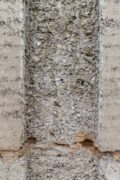
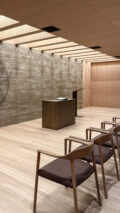
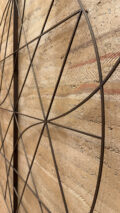
Color nuances can be specifically controlled by adding colored clays. Artistic interventions such as layering or handcrafted inlays give each wall a special expressiveness.
Anchoring
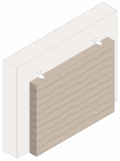
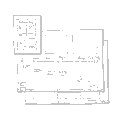
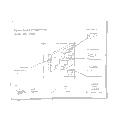
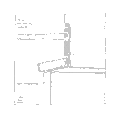
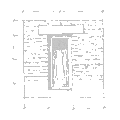
An appropriate substructure ensures that the self-supporting facing formwork is securely anchored.
Sustainable alternative in existing buildings

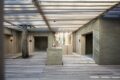
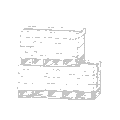
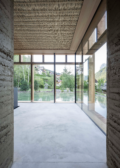
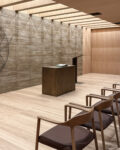
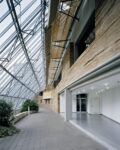
Our interior linings made of 100% earth can be ideally integrated into existing buildings as prefabricated elements. With reduced wall thicknesses, they combine the design diversity and materiality of rammed earth with the requirements of conventional construction methods. In addition to their high mass and thermal storage efficiency, facing shells contribute to a balanced and comfortable indoor climate.


Properties

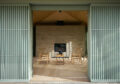
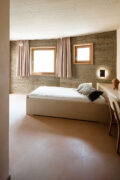
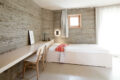
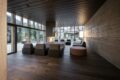
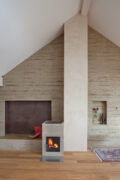
Our rammed earth facing formwork blends harmoniously into existing rooms, improves acoustics and the indoor climate and at the same time gives them a natural aesthetic and timeless warmth.

Due to its high mass, rammed earth can store heat and release it back into the room with a time delay – it therefore has a balancing effect. At the same time, rammed earth can absorb moisture from the air very quickly and release it again, positively supporting the indoor climate.

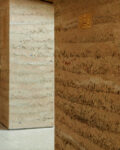
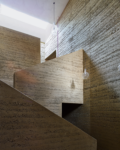
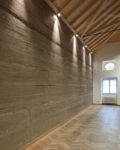
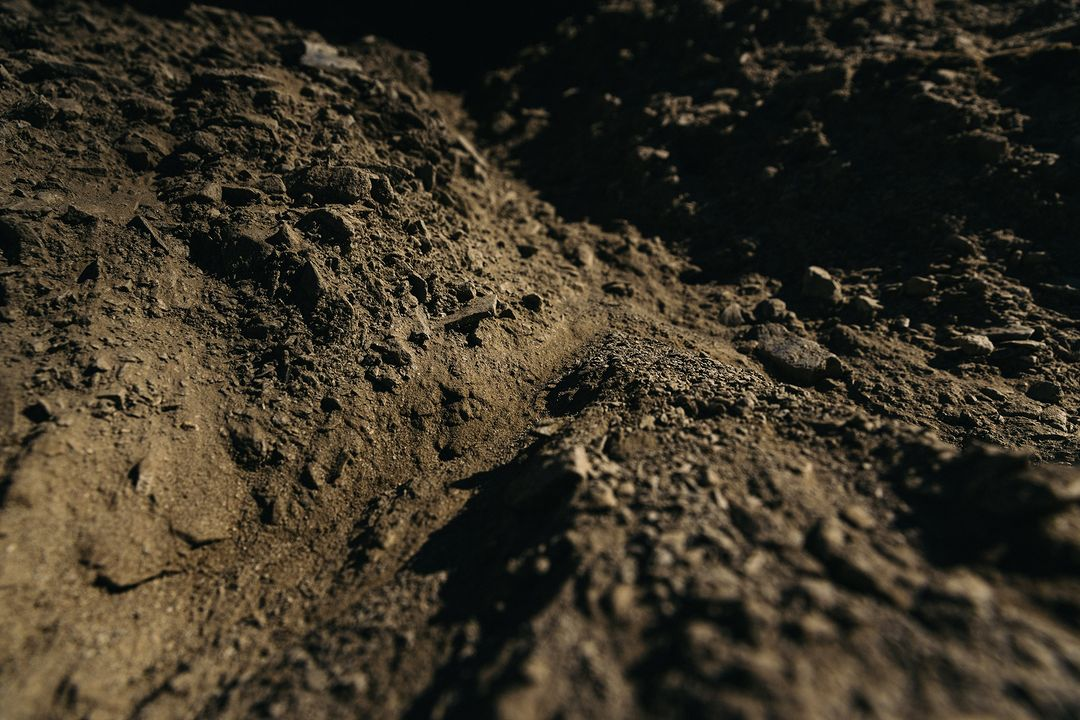
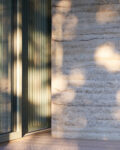
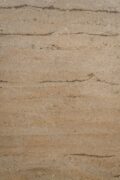
Rammed earth walls are characterized by their textured surface, which can be fine or coarse depending on the formwork system and processing. By adding colored clays, color nuances can be specifically controlled. Artistic interventions such as layer gradients or handcrafted inlays give each wall a special expressiveness.

Mechanical and electrical installations can be easily integrated into our rammed earth facing shells. Cables or recesses for lighting can already be taken into account in the planning phase and embedded directly.

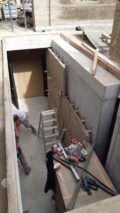
An appropriate substructure ensures that the self-supporting facing formwork is securely anchored. If this structure is not already in place, it can easily be added during the installation of the clay panels.
Facts, figures and data*

Medium compressive strength

2.4-4 N/mm²

Mass

2,000-2,350 kg/m³

Strength

70-150 cm

Rated sound reduction index

53 dB from 20 cm wall thickness

CO2 emissions from production

46 kg/m³

Production energy

930 MJ/m³

Creep dimension

0,2 %

Thermal expansion

0.005 mm/(m-K)

*All figures are based on experience and are for guidance only; EPD data are in progress.
Show more

Why clay walls are convincing

Passive climate controller

In interiors, rammed earth walls provide a pleasant indoor climate in a natural way. Their high heat storage capacity balances out temperature fluctuations between day and night. At the same time, the clay regulates the humidity and creates a pleasant level of approx. 55%.

Acoustics

Rammed earth has positive acoustic properties. Its natural softness improves both sound insulation and sound absorption. This makes it ideal for apartment partition walls, for example.

Logistics & Resources

In the past, rammed earth was a purely low-tech construction method that was carried out directly on site. Today, it is often optimized with modern tools. We have been pushing the implementation of rammed earth projects for decades and have expanded the possible uses of rammed earth to include prefabricated elements.

Natural feel

The tamped layers are reminiscent of geological stratification and each layer tells its own story. This individual structure conveys a sense of calm and security and emphasizes the authenticity of the material.

Seamless

All our rammed earth products are made from 100% earth - without any cement or chemicals. Connections and joints can be repaired again and again with the same base material and in the same quality. This creates monolithic surfaces from individual parts.

Recyclable

Our material is water-soluble. This water solubility is the best virtue of our rammed earth - infinite recyclability and optimum component separation are guaranteed at all times. It also offers great advantages in terms of maintenance and repair.
Show more

How is a project realized?

For us, rammed earth is not just a product – it is a process of developing the right solution for a project with everyone involved. That’s why we accompany this process: from the initial consultation to production and acceptance. Together, we select the right services to realize the desired earth building applications with the highest quality and precision craftsmanship.

1
Request
2
Initial consultation
3
Optional: Feasibility study
4
Specialist planning
5
Quotation preparation
6
Commissioning
7
Work planning & implementation
8
Production
9
Drying
10
Assembly & retouching work
11
Acceptance
1
Request
In order to be able to make a well-founded assessment of a rammed earth project, we would be pleased to receive planning documents, sketches and project details at info@lehmtonerde.at. The more information we receive, the more precisely we can assess a project.
2
Initial consultation
After reviewing the project, we work together to determine the extent to which support is appropriate and what the next steps could be.
3
Optional: Feasibility study
The feasibility of a rammed earth project is assessed in order to create planning security and realistic implementation prospects.
4
Specialist planning
Specialist planning accompanies the project, for example to coordinate basic connection details or design and scheduling interfaces with other trades.
5
Quotation preparation
As soon as a service description has been defined, we prepare a quotation for the rammed earth work.
6
Commissioning
Once a project has been commissioned, it moves from specialist planning to work planning and implementation.
7
Work planning & implementation
Good factory planning sets the course for successful project execution. There is close cooperation with project management and production.
8
Production
The rammed earth elements are prefabricated in our workshop in Schlins.
9
Drying
Due to the low installation moisture content of rammed earth at approx. 8%, no additional energy is required for drying. Depending on the wall thickness, this natural process takes approx. 2-4 weeks.
10
Assembly & retouching work
Installation is carried out in close coordination with the construction process. Thanks to the special properties of our rammed earth, connection and element joints can be designed so that they merge with the surface and are no longer visible.
11
Acceptance
When the project is accepted, a usage agreement is drawn up, which also offers the option of concluding a maintenance contract.
Show more Show less
Interior lining