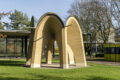


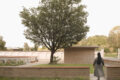
Rammed Earth Dome ETH Zurich
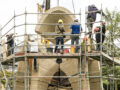
As part of a teaching and research project at ETH Zurich, Gian Salis, Prof. Annette Spiro, Martin Rauch, Andreas Galmarini, and Prof. Dr. Philippe Block, together with students from the Materials Workshop, investigated the design and structural possibilities of rammed earth.
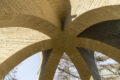
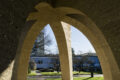
The goal was to explore new ways in which material, construction, form, and architectural expression interact and to bring these ideas to life in an experimental, permanent rammed earth dome on the Hönggerberg campus. The project combines scientific research, structural development, and artisanal execution, demonstrating how the properties of clay can be harnessed for innovative architectural solutions.
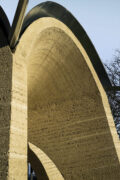
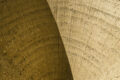
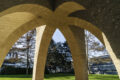
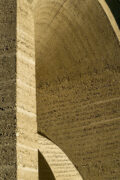
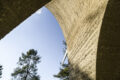
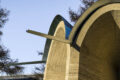
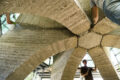
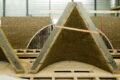
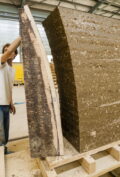
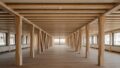
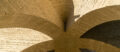
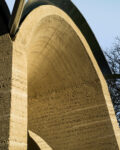
The focus is on rammed earth’s ability to absorb compressive forces. Through a specially developed construction method, this property was utilized for the first time to create vaults and span openings. The sculptural undersides of the vaults reveal the materiality and the characteristic layers of rammed earth, lending the dome its distinctive architectural character.
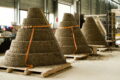
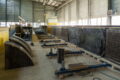
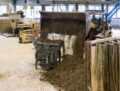
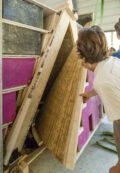
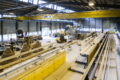
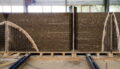
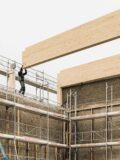
A key innovation lies in the prefabrication of the rammed earth elements. After ramming and drying, the elements are assembled on site to form a load-bearing dome. Through their deliberate rotation, the rammed layers in the vaults run vertically, so that compressive forces are transferred parallel to the layers. Tests confirmed that this orientation does not compromise the load-bearing capacity.
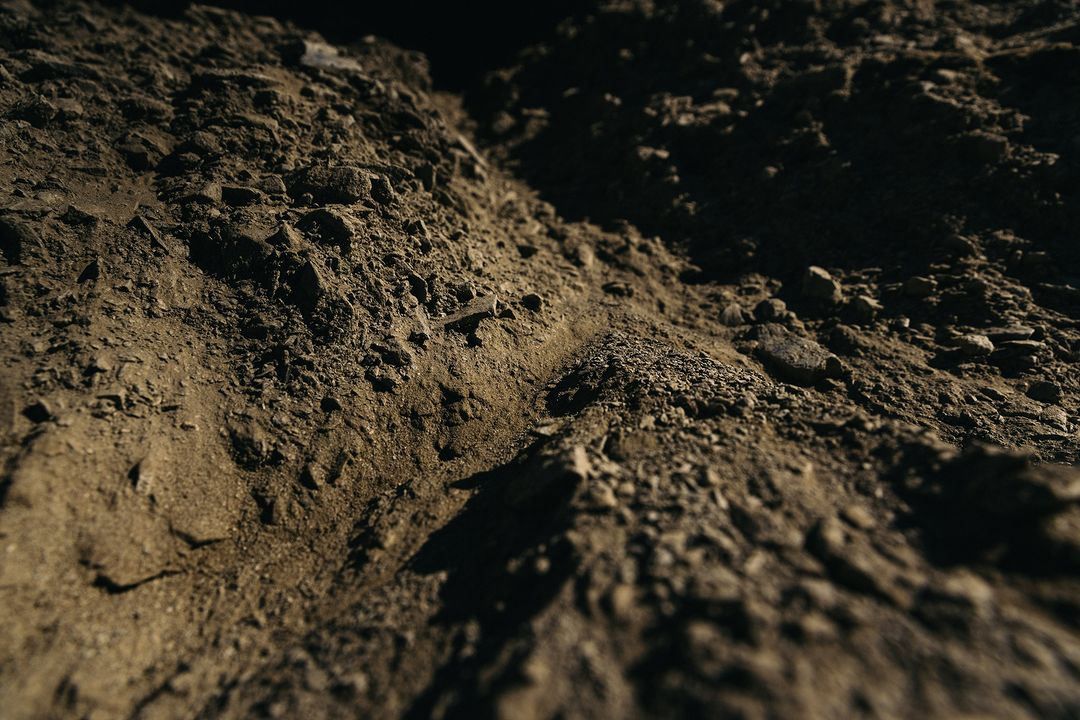
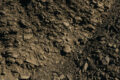
Local, unstabilized clay was used. The dome, developed in collaboration with the students, demonstrates how traditional knowledge of materials, structural research, and precise prefabrication can be combined to open up new perspectives for resource-efficient and sustainable earthen construction.
Lehm Ton Erde Baukunst GmbH