





General
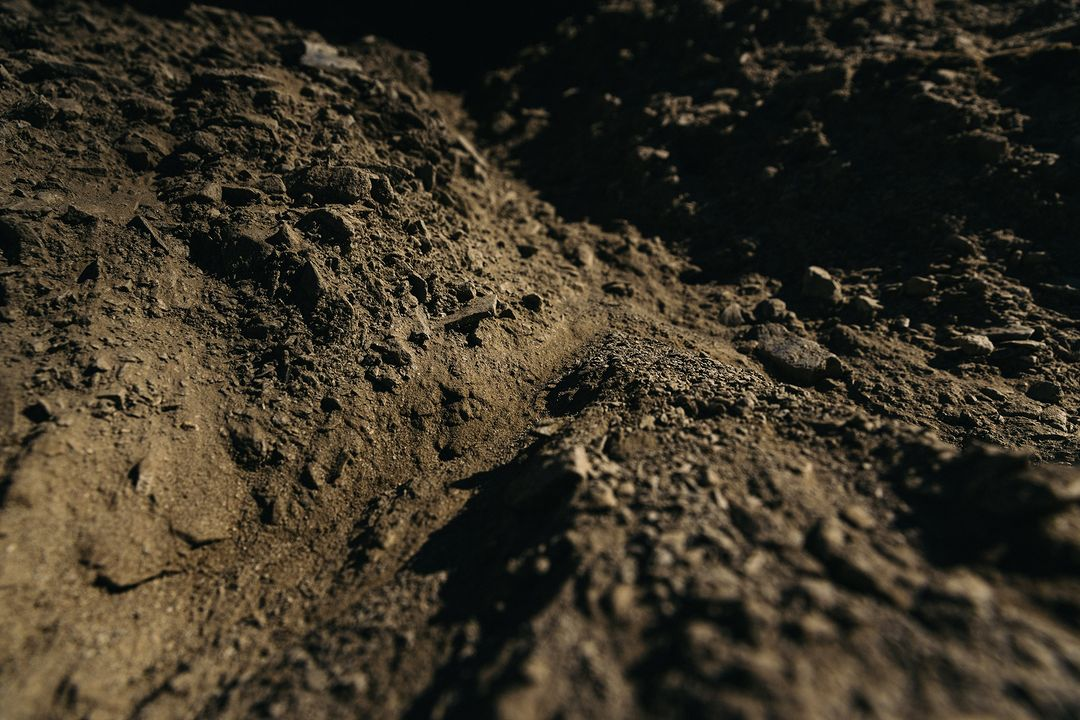
The striking layered look is created by the construction process itself: Rammed earth is placed in approximately 12-14cm high layers in a formwork and compacted. As soon as one layer is finished, the next follows – layer by layer, until the desired wall height is reached. This technique not only makes the construction visible, but also gives each component its own distinctive aesthetic.
Clay earth is a very durable building material when planned and executed professionally. The decisive factor is constructive protection against the effects of the weather – for example through overhanging roof edges, well thought-out details in the plinth area and/or erosion brakes in the form of trass lime or brick strips. Rammed earth in particular is characterized by high durability: Many historic earth buildings have been standing for centuries and provide impressive proof of the durability of this material.
The raw material clay is generally inexpensive and often available regionally. However, the construction itself requires a high proportion of manual labor, which increases the price in countries such as Austria, Germany or Switzerland due to comparatively high labor costs. At Lehm Ton Erde, we have developed technical innovations to reduce the amount of work involved and make the process more efficient. Nevertheless, rammed earth remains an artisanal process whose further development depends heavily on ongoing construction projects.
Rammed earth is locally available, reusable and does not require energy-intensive processing. The clay remains in the material cycle: at the end of its life cycle, it can simply be reused or returned to the earth.
